What Is a Typical Energy Bill for a 3-Bed House in the UK?
On this page
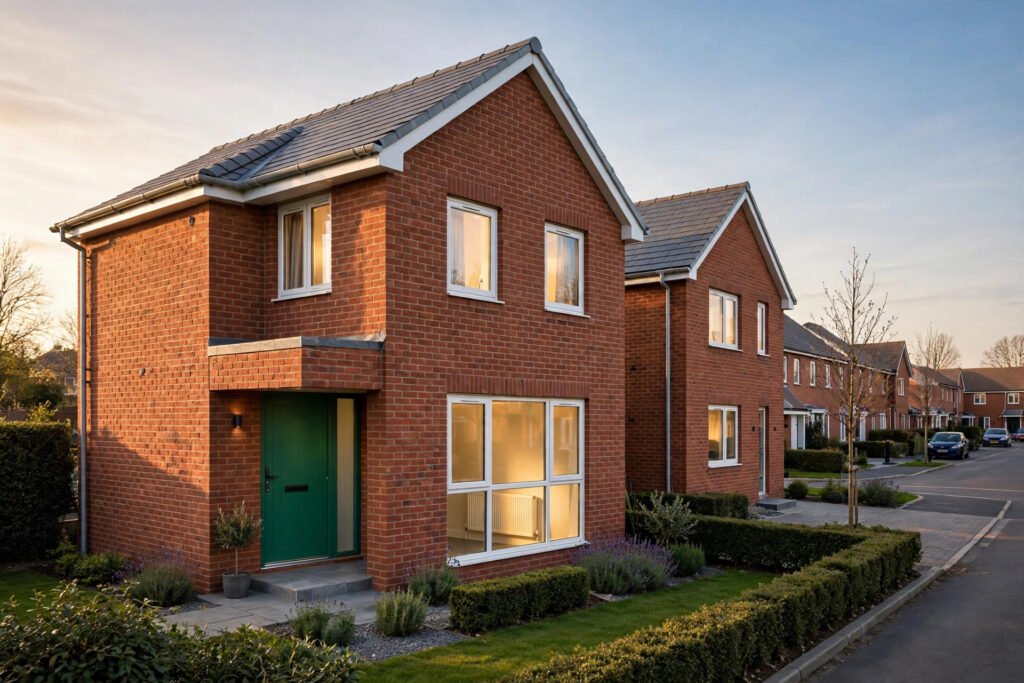
“How much should our gas and electric actually cost?” is one of the most common questions a family can ask, usually at the kitchen table with a bill in hand. A three-bedroom house is the closest thing Britain has to a typical home, so it makes a sensible benchmark. This guide sets out what a 3-bed household on a standard tariff can expect to pay in late 2026, how that total is built up, and how your own figure might differ.
The short answer: around £1,723 a year
A three-bed house using energy at the level Ofgem calls “typical” — 2,500 kWh of electricity and 9,500 kWh of gas a year — and paying by Direct Debit on a standard variable tariff, will pay around £1,723 over a full year at the current price cap rates. That works out at roughly £144 a month, or about £33 a week.
That figure comes from the price cap itself, which is where the “typical” numbers are defined — our guide to the energy price cap explained covers how it works. Two things are worth knowing before you compare it with your own bills. First, the October to December 2026 quarter sits at £1,723, but the cap changes every three months, so any full year actually spans several different cap levels. Second, the typical household Ofgem describes — two or three people in a two- or three-bed home — may use rather more or less than your household does.
How the bill breaks down
Your energy bill is made of exactly four parts: the electricity you use, the gas you use, and a standing charge for each fuel. Here is how the £1,723 splits at current capped rates:
| Part of the bill | Calculation | Cost per year |
|---|---|---|
| Electricity usage | 2,500 kWh × 26.32p | £658 |
| Gas usage | 9,500 kWh × 7.97p | £757 |
| Electricity standing charge | 54.83p × 365 days | £200 |
| Gas standing charge | 29.68p × 365 days | £108 |
| Total | £1,723 |
A few points from that table surprise people. Gas is the smaller cost per unit — 7.97p against 26.32p for electricity — but most homes use nearly four times as many units of it, mainly for heating and hot water, so gas ends up the bigger bill. And the standing charges add up to about £308 a year before you have switched on a single light. That fixed slice is unavoidable on any tariff, which is why we have a separate guide to standing charges explained.
These are averages across Great Britain for Direct Debit customers. Rates vary slightly by region and by payment method, so your supplier’s figures will not match to the penny, but they should be close.
What one month actually looks like
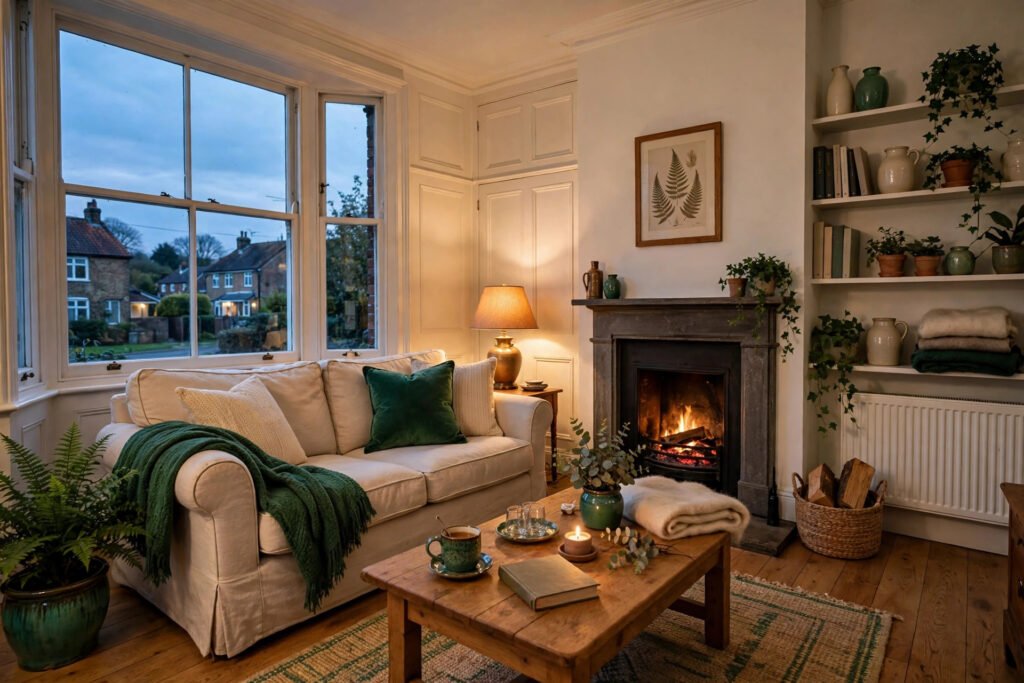
Most households pay a fixed monthly Direct Debit — roughly £144 a month for the typical 3-bed at current rates. But energy use is not spread evenly across the year. Heating demand means most gas is used between October and March: a 3-bed house might use over £220 worth of energy in January but under £70 in July. Suppliers usually smooth this out, taking the same amount each month and building up credit over the summer to cover the winter.
That smoothing is exactly why winter bills spark confusion. If your supplier suddenly raises your Direct Debit, it is often because your account is heading into debit over the winter period, not because the unit prices have jumped. Checking the balance and usage pages of your bill will show which it is.
One quirk this winter: there is no VAT on domestic electricity between 1 October 2026 and 31 March 2027, after the government temporarily removed the usual 5%. Gas still has 5% VAT. Ofgem estimates that is worth about £45 a year to a typical household and is already reflected in the capped rates above.
Why your 3-bed bill could be very different
“Typical” is an average, not a promise. Two identical houses on the same street can have bills hundreds of pounds apart. The biggest reasons are:
- Heating and insulation. A well-insulated home with a modern boiler needs far less gas than a draughty one with single glazing.
- How many people are home. Working from home all day, running baths for children, or having teenagers with gaming PCs all push usage up.
- Appliances and hot water. Electric showers, immersion heaters, tumble dryers and hot tubs are heavy electricity users.
- How the home is heated. A 3-bed heated mainly by electricity — or an older home off the gas grid — will have a completely different split between the two fuels.
Ofgem’s low and high usage values give a sense of the range. A careful, low-use 3-bed household (1,600 kWh of electricity and 6,000 kWh of gas) would pay about £1,207 a year at the same rates, while a high-use one (3,800 kWh of electricity and 14,000 kWh of gas) would pay around £2,424. Both are still on exactly the same tariff.
Fixed or variable: does it change the answer?
The figures above assume a standard variable tariff at the cap. A cheaper fixed deal would trim the unit rates and could cut £100–£150 a year off a typical 3-bed bill, although the best fixes come and go quickly. Forecasters such as Cornwall Insight suggested on 30 September 2026 that the January cap could rise to around £1,999 a year (a forecast, not a confirmed figure), which is one reason fixed deals are getting attention this autumn. If you use noticeably more or less than the typical values, compare tariffs using your own annual kWh from your bill, not the £1,723 headline.
How to check your own bill against this
Take your last annual statement, or add up a year’s bills, and find your actual usage in kWh for each fuel. Multiply it by the capped rates above — 26.32p and 7.97p per kWh — and add £200 for the electricity standing charge and £108 for gas. If your total is well above £1,723, look first at gas usage: in most homes that is where the money goes, and it usually points back to heating settings, insulation or long showers rather than to your tariff.
Frequently Asked Questions
Is £1,723 the exact bill for every 3-bed house?
No. It is the cost for a household using exactly Ofgem’s typical amounts at the October 2026 capped rates. Real 3-bed homes at the same rates pay anywhere from around £1,200 to over £2,400 a year depending on how much energy they use.
Why is my monthly Direct Debit higher than £144?
Either your household uses more than the typical values, or your supplier is clearing a debit balance or preparing for higher winter use. Your bill’s account balance section will show whether you are in credit or debit.
Should a 3-bed house use more than Ofgem’s typical values?
Possibly. Ofgem’s typical household is two or three people in a two- or three-bedroom home, so a larger family in a 3-bed may sit closer to the high values. Your own annual usage figures matter far more than the average.
Does the price cap guarantee this price?
No. The cap limits unit rates and standing charges, not the total. If you use more energy, you pay more. If you want a walk-through of where each of these lines appears, see how to read your energy bill, line by line.

[…] You can see how the standing charge fits into a full bill in our breakdown of the typical bill for a 3-bed house. […]
[…] first things to rule out if your bills look wildly wrong for your household size. For a benchmark, what a typical bill for a 3-bed house looks like shows the usage and costs an average family home […]